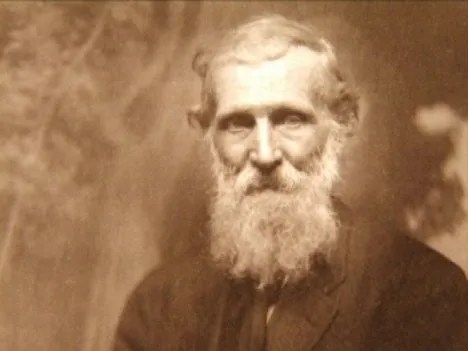
Historians’ Perspective on “John of the Mountains”
This page discusses historians who study John Muir, his contributions to the preservationist movement, and his impact on American History.
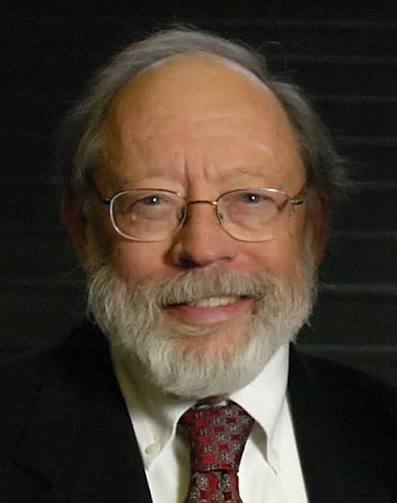
Donald Worster
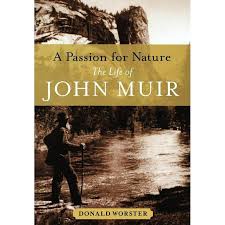
Born in 1941, Donald Worster, an American environmental historian, studied at the University of Kansas and Yale University. Before he retired, he taught at the University of Kansas and wrote books on environmental history, including A Passion for Nature: The Life of John Muir.
Worster’s Overall Argument About Muir
Worster believed that John Muir was not only a lover of nature but a leader in the conservation and preservation movement. Worster argues that Muir was fundamental in establishing wilderness protection in the United States and inspiring generations after him to care for and protect the environment. Worster argued, “Muir was a liberal, a democrat, and a conservationist” (Worster 6). Worster reinforced this opinion by noting that Muir was a leader in the Progressive movement, opposing the idea that nature needed a monetary value to be protected. Worster has also defended Muir when accusations that Muir was a white supremacist arose.
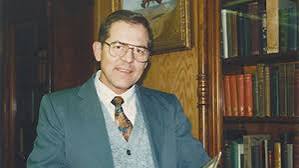
Ronald H. Limbaugh
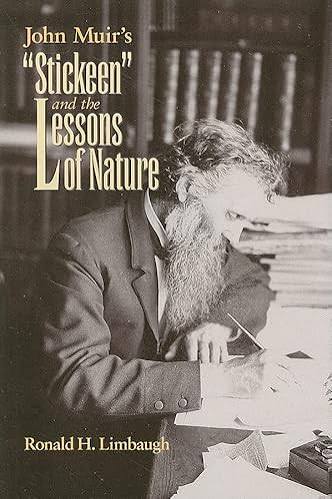
Limbaugh was a professor of American history at the University of the Pacific and an author of many books. Limbaugh graduated from the University of Idaho in 1967, retired in 2000, and died in 2023. Limbaugh wrote John Muir’s “Stickeen” & the Lessons of Nature, and brought over the majority of John Muir’s documentation to the University of the Pacific, where it remains to this day. Limbaugh also wrote an article, “John Muir and the Mining Industry,” discussing Muir’s views on mining.
Limbaugh’s Overall Argument About Muir
Limbaugh argues that Muir’s opinions and feelings about nature and its different aspects changed over time as he traveled and explored. He did not consider Muir a one-dimensional environmental hero, as some view him. Limbaugh writes, “Muir remained a moderate throughout his career, recognizing the need for material progress, praising responsible land use, and encouraging sound development” (Limbaugh 66). Instead, he believed John Muir was not opposed to people taking resources from the environment, but that they needed to be conscious of the lasting impacts of resources used.
 Sunshine's Field Notes